Rome pulls millions of travelers toward one walled city within a city, and if you plan to visit Vatican tickets are the first thing to sort out. The Vatican Museums do not sell reliable same-day tickets at the door, so nearly every visitor now books online, whether through the official channel or a partner offering skip-the-line and guided options. This guide walks through what each ticket actually includes, what things cost, and how to time your visit so you spend your hours inside the galleries instead of in a queue.
What Are Vatican Museums Tickets and Why Do You Need One?
A Vatican Museums ticket is required timed entry to one of the world’s largest art collections, leading through more than 50 galleries to the Sistine Chapel. There is no general walk-up admission, so nearly every visitor books online in advance to guarantee a specific date and avoid long security queues.
The museum caps daily visitors to protect both the art and the experience, which is why a plan matters more here than at almost any other attraction in Rome. Buying ahead is often the difference between walking straight through security and standing in a queue that can stretch for two hours or more on a busy morning. Wondering whether the collection lives up to the hype in the first place? Our honest breakdown of is the Vatican Museums worth it covers what past visitors actually thought, crowds and all.
How Much Do Vatican Museums Tickets Cost?
Official Vatican Museums entry starts at roughly 20 euros for a standard adult ticket, with reduced pricing for students and free entry for children under a certain age. Skip-the-line, guided, and small-group options cost more, generally landing between 30 and 90 euros depending on group size, tour length, and whether a live guide is included.
Prices above are approximate as of 2026-07-25 and change with the season, so treat them as a starting point rather than a guarantee. The gap between the official price and a reserved-entry ticket usually buys back time, not extra access, since both routes lead through the same galleries. For a full breakdown of every ticket tier, including passes that bundle in extra sites, see our Vatican Museum tickets price guide, which compares the official portal against reserved-entry partners line by line.
Does the Ticket Include the Sistine Chapel?
Yes. One Vatican Museums ticket covers both the museum galleries and the Sistine Chapel, since the chapel sits at the end of the standard visitor route rather than existing as a separate building. You never need to buy a second ticket just for the ceiling.
That single fact resolves one of the most common points of confusion for first-time visitors, but the Sistine Chapel deserves its own deep dive once you are inside. Michelangelo’s ceiling and the Last Judgment fresco reward a slower look than most rushed tour groups get, and our Sistine Chapel tickets guide covers the etiquette, the art history, and whether a guide is worth it for this one room alone.
Do You Need a Separate Ticket for St Peter’s Basilica?
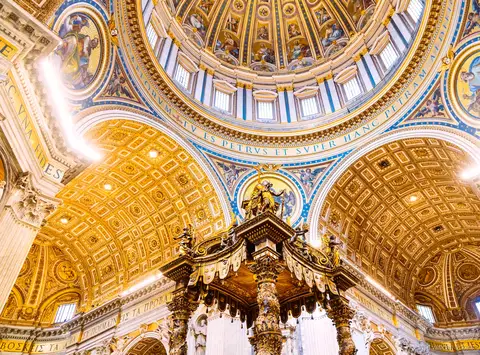
St Peter’s Basilica is a different site entirely, run separately from the Vatican Museums, and basic entry is free. What costs money is a reserved-entry or guided ticket that lets you skip the airport-style security line at the entrance, which grows long fast once tour buses start arriving mid-morning.
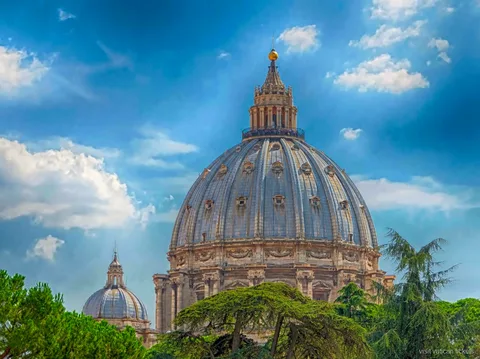
If you want to climb the dome for a rooftop view over St Peter’s Square, that is a separate paid ticket again, with different pricing depending on whether you take the elevator partway or climb all 300-plus steps on foot. Our St Peter’s Basilica tickets guide breaks down free entry, the dome climb, and when the queue is actually worth skipping.
Choosing the Right Vatican Tour
Not every visitor wants the same experience. Some want a live guide pointing out details in the Raphael Rooms, some prefer an audio guide at their own pace, and others just want the fastest possible route past the crowds. Private and small-group tours exist for travelers who would rather not share their morning with 25 strangers, while early morning and evening options offer a genuinely quieter museum for a premium price.
Working out which format fits your trip is worth five minutes before you book, since the wrong choice can mean either paying for commentary you do not want or missing context you would have valued. Our best Vatican tours guide compares guided, private, self-guided, and skip-the-line formats side by side so you are not guessing.
How Do You Book Skip-the-Line Vatican Tickets?
Booking is straightforward: pick a date and time slot, choose your ticket type, and pay online in advance. What varies is how far ahead you need to move. Peak months like April, May, September, and the weeks around Easter and Christmas sell out fastest, sometimes weeks in advance for the most popular guided slots.
If your preferred date shows no availability anywhere, do not assume the Vatican is fully booked. Partner-sold tickets sometimes hold back inventory that the official portal has already exhausted, so it is worth checking a second source before giving up on a date. Keep a screenshot or downloaded copy of your confirmation, since mobile signal near the entrance can be patchy on a crowded morning.
What Is the Best Time to Visit the Vatican Museums?
Early morning, right at opening, is consistently the quietest window, followed by the last two hours before closing. Wednesdays tend to be busier because of the Pope’s general audience drawing crowds to the area, and the free last Sunday of the month is the single most crowded day of the entire month.
Season matters just as much as time of day. Winter months outside major holidays see noticeably thinner crowds than the June through August peak, when Rome’s heat adds another reason to book an early slot. Shoulder season, roughly March through May and September into October, tends to offer the best balance of mild weather and manageable galleries. Our planning your Vatican Museums visit guide covers hours, closed days, and a month-by-month look at when the galleries feel most manageable.
What Should You Expect Inside the Vatican Museums?
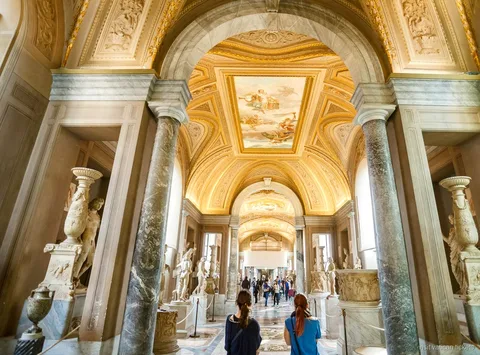
Expect scale. The Vatican Museums are not a single building but a chain of galleries, courtyards, and papal apartments that can take a full day to see in detail if you let it. Most visitors follow the same one-way route: sculpture galleries, the map gallery, the Raphael Rooms, and finally the Sistine Chapel before exiting near St Peter’s Basilica.
Highlights worth planning around include the Gallery of Maps, a corridor of sixteenth-century topographical paintings many visitors walk straight past, and the Raphael Rooms, home to the School of Athens fresco. Crowds build steadily through the morning and thin out again in the final hour before closing, which is worth remembering if your first slot was not an early one. Our what to see in the Vatican Museums guide walks through the highlights room by room so you know what is worth slowing down for.
Who Is a Vatican Tour Best For?
Art lovers and history buffs get the most out of a guided format, since so much of the collection rewards context a guide can supply on the spot, from the symbolism in the Raphael Rooms to the restoration history behind the ceiling. Families with younger children often do better with a shorter, more flexible self-guided visit, timed around nap schedules and paced to avoid meltdowns partway through the route.
First-time visitors to Rome, regardless of age, generally benefit from skipping the line in some form. The museum is large enough, and the queues unpredictable enough, that saving even an hour of standing outside makes the rest of the day noticeably better. Repeat visitors who already know the layout sometimes prefer a bare-bones ticket and set their own pace.
Beyond the Museums: The Vatican Necropolis and Gardens
Two lesser-known sites sit just outside the standard route. The Vatican Necropolis, reached through the Scavi excavations office, takes visitors underground to the area believed to hold St Peter’s tomb, though booking requires a separate email application process and is not open to children under 15. Our Vatican Scavi tour guide explains that process in full, including realistic timelines for a reply.
The Vatican Gardens, meanwhile, can only be seen on an official guided or golf-cart tour, never independently, and cover manicured grounds most visitors never realize exist behind the museum walls. Our Vatican Gardens tour guide covers what the tour includes, how long it runs, and how to book one.
Can You See the Vatican and Colosseum in One Day?
It is possible, but the two sites sit on opposite sides of central Rome and are run by entirely separate authorities, so there is no single combined ticket covering both. A realistic plan means an early Vatican morning, a midday break for lunch and transit, and an afternoon Colosseum slot, or splitting the two across separate mornings if your schedule allows a slower pace. Our Vatican and Colosseum combined tickets guide lays out a realistic itinerary and the best order to see both without rushing either one.
How Can You Attend a Papal Mass or Audience?
Papal masses and the Wednesday general audience in St Peter’s Square are free to attend, but they run on a completely different booking process from museum tickets. Requests go through the Prefecture of the Papal Household rather than a ticket portal, and timing depends on the Pope’s public calendar rather than a fixed schedule. Our papal mass and audience tickets guide explains how to request a place and what to expect on the day itself.
Insider Tips for a Smoother Visit
Book your entry time slot for as early as it is offered. The first hour after opening is consistently the calmest the galleries get all day, and it only gets busier from there. Dress for the shoulders-and-knees rule before you leave your hotel rather than discovering it at the security checkpoint, since scarves and cover-ups sold outside the entrance cost more than planning ahead.
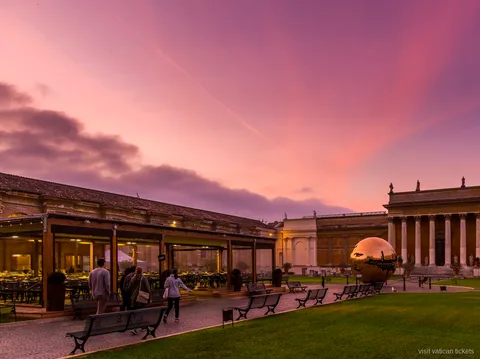
Wear comfortable shoes. The full route to the Sistine Chapel covers well over a kilometer of marble floors, and there is no shortcut once you commit to the one-way path. Bring a bottle of water, since the museum’s own cafes get crowded around midday. Finally, save your ticket confirmation to your phone before you arrive, since a stored QR code avoids any last-minute scramble if signal drops near the entrance.
Is the Vatican Museums Worth It?
For nearly every visitor to Rome, yes. The combination of the Sistine Chapel, the Raphael Rooms, and the sheer scale of the papal art collection is difficult to match anywhere else in the world, even accounting for the crowds. The honest caveat is that peak-season visits require patience and a booked ticket to feel manageable rather than overwhelming.
According to the Vatican Museums’ official site, the collection spans work gathered by popes over five centuries, a scale reflected in Vatican City’s status as a UNESCO World Heritage Site. For more on the collection’s scope and history, Wikipedia’s overview of the Vatican Museums is a useful starting point before you go. Whichever Vatican tickets you choose, booking ahead is what turns a potentially frustrating queue into a smooth walk through one of the world’s great museums.
Do you need a ticket to visit the Vatican Museums?
Yes. The Vatican Museums require a timed-entry ticket for every visitor, and demand regularly outpaces the daily allocation. Booking ahead, either through the official portal or a skip-the-line partner, is the most reliable way to guarantee entry on a specific date, especially in spring, summer, and around major holidays.
Does the Vatican Museums ticket include the Sistine Chapel?
Yes. The Sistine Chapel sits at the end of the standard Vatican Museums route, and one ticket covers both. You do not need to book a separate Sistine Chapel ticket, though some guided tours package the same route with extra commentary and skip-the-line access.
Is St Peter's Basilica free to enter?
Basic entry to St Peter's Basilica is free for everyone. The cost most visitors pay for is a reserved-entry or guided ticket that skips the security queue, which can otherwise run well over an hour during peak season. The dome climb is a separate paid ticket.
How much do Vatican Museums tickets cost?
Official adult tickets typically start around 20 euros, with reduced pricing for students and under-18s. Skip-the-line, guided, and small-group tours cost more, often 30 to 90 euros or higher for private options, reflecting the added commentary, timing, and convenience.
Is the last Sunday of the month really free?
Yes, the Vatican Museums open free of charge on the last Sunday of most months, but this is also the single busiest day of the month. Expect long queues and crowded galleries. A paid skip-the-line ticket on a regular day is usually a smoother experience.
How far in advance should you book Vatican tickets?
Booking two to four weeks ahead is a safe rule for spring and summer travel, and even further ahead around Easter, Christmas, and Jubilee periods. Off-season visitors sometimes find availability just days out, but early booking always guarantees the best time slots.
What is the dress code for the Vatican?
Shoulders and knees must be covered throughout the Vatican Museums, Sistine Chapel, and St Peter's Basilica. Sleeveless tops, shorts above the knee, and short skirts are turned away at security. Bring a light scarf or wrap if you are unsure your outfit will pass.
How long does a Vatican Museums visit take?
A brisk self-guided visit takes about two to three hours, while a full exploration with the Sistine Chapel and Raphael Rooms runs closer to four hours. Guided tours typically last two to three hours and move at a fixed pace set by the guide.
Can you see the Vatican and Colosseum in one day?
It is possible but tight. The two sites sit on opposite sides of Rome, so plan an early Vatican visit, a midday break, and an afternoon Colosseum slot, or split them across two mornings if your schedule allows for a more relaxed pace.
Is a guided Vatican tour worth it?
A guided tour is worth it for most first-time visitors, since a guide explains the art and history that self-guided visitors often walk past. If you prefer setting your own pace, a skip-the-line ticket without a guide covers the same route for less.